Community centers and shared outdoor spaces often experience frequent foot traffic, gatherings, recreational activities, and regular use throughout the year. Concrete can be a practical material for these areas because it is designed to withstand repeated use while requiring relatively straightforward maintenance. Walkways, patios, entry areas, ramps, and gathering spaces can all benefit from properly installed concrete surfaces. When planned carefully, these features can provide stable footing and help create more functional spaces for visitors, staff, and community members.
Improving Accessibility
Accessibility is an important consideration when designing or improving community facilities. Concrete can be used to create smooth walkways, ramps, curb transitions, and entrances that make it easier for people with mobility devices, strollers, or limited movement to navigate the property. Proper grading and finishing are especially important because uneven surfaces or abrupt height changes can create barriers. Working with experienced professionals such as Concrete Commandos Plano concrete contractors may help property managers evaluate where new or improved concrete surfaces could support safer and more accessible movement throughout the site.
Supporting Outdoor Gathering Areas
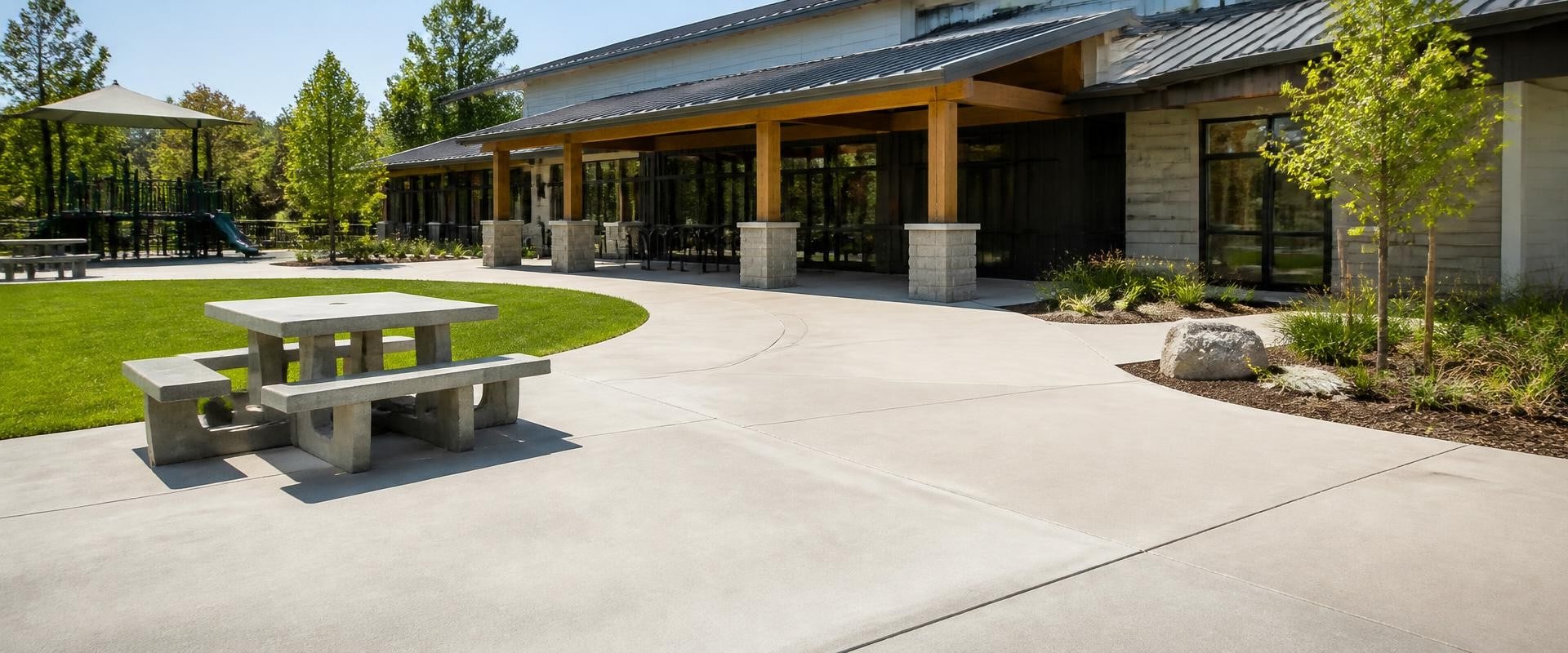
Many community centers include outdoor areas where people gather for classes, celebrations, markets, performances, or casual recreation. Concrete patios and plazas can provide a stable base for tables, chairs, temporary stages, equipment, or activity stations. Unlike bare soil or grass, concrete can remain usable after rain and is less likely to develop muddy or uneven conditions. These surfaces can also be designed in different shapes and finishes to complement landscaping and the overall appearance of the property.
Improving Walkways and Connections
Well-planned pedestrian routes can make a community property easier to use. Concrete sidewalks can connect parking areas, entrances, playgrounds, sports facilities, gardens, and other important destinations. Clear walking paths can help guide visitors and reduce the likelihood that people create informal routes across landscaped areas. Properly constructed walkways can also support drainage by directing runoff away from buildings and minimizing areas where standing water may develop.
Enhancing Safety Around the Property
Damaged pavement, cracked walkways, and uneven surfaces can create tripping hazards in busy public areas. Concrete services may include repairing deteriorated sections, replacing badly damaged slabs, or constructing new surfaces where existing paths are inadequate. Attention to slope, joint placement, surface texture, and drainage can improve everyday usability. In areas exposed to rain, selecting an appropriate finish can also help provide better traction and reduce slippery conditions.
Supporting Recreational Spaces
Concrete can be useful for a variety of recreational applications around community centers. Basketball courts, seating areas, picnic spaces, equipment pads, and multipurpose activity zones may all require strong, level surfaces. Concrete can provide the structural support needed for frequent use and outdoor equipment. Depending on the project, surfaces may also be painted, coated, or marked to accommodate specific recreational activities. Careful preparation of the base helps reduce settling and cracking over time.
Managing Drainage More Effectively
Outdoor improvements should account for how water moves across the property. Poor drainage can lead to puddles, erosion, slippery surfaces, and damage near foundations. Concrete areas can be graded to direct runoff toward appropriate drainage points, helping prevent water from collecting in heavily used spaces. Contractors may also coordinate concrete work with drains, curbs, channels, or other water-management features. Proper planning is particularly important around entrances and gathering spaces where standing water could interfere with normal use.
Reducing Long-Term Maintenance Needs
Community facilities often need materials that can perform reliably without requiring constant attention. Properly installed concrete can offer a long service life when it is maintained and repaired as needed. Routine cleaning, sealing when appropriate, and addressing minor cracks early may help preserve the surface. Compared with materials that shift, wash away, or require frequent replacement, concrete can provide a more permanent solution for many high-use outdoor areas.
Creating More Functional Community Spaces
Concrete services can contribute to the overall usability, appearance, and accessibility of community centers and surrounding outdoor areas. From sidewalks and ramps to patios and recreational spaces, properly planned concrete features can support a wide range of activities. Considering traffic patterns, drainage, accessibility, durability, and future maintenance before construction begins can help ensure that each improvement serves the community effectively. With thoughtful design and quality installation, concrete can provide dependable surfaces that support public use for many years.